During a time when people are attacking military members and their families, it’s also important to realize the enormous sacrifice they have taken striving for peace around the world.
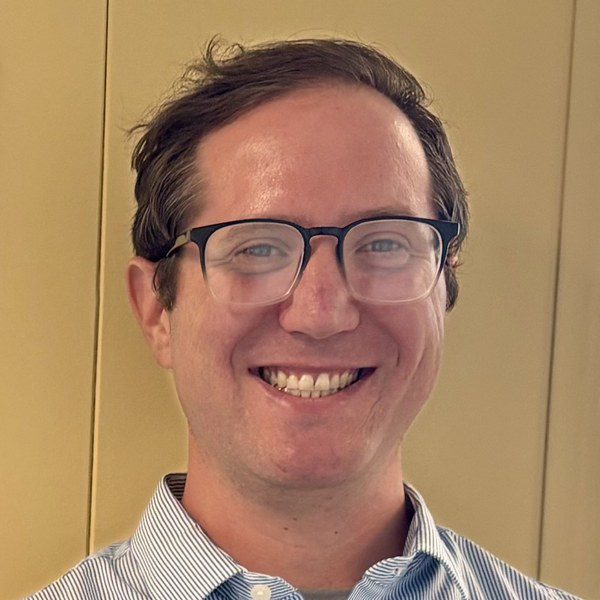
I spoke with Paul Spedaliere, a leader in veterans affairs for the State of Connecticut, about his first-hand experience helping veterans navigate a sometimes convoluted system so they can become and continue to be contributing members of society, providing value and using their unique experiences to help others.

Military service and war can be divisive subjects, but it is important to do our best for people and their families after they have served abroad and returned home, sometimes feeling lost or working through issues like PTSD. It is not easy. People serving the state and country like Paul and his team are trying to make it a little easier for veterans to find a path forward.
Let us also remember that cemeteries for veterans in Connecticut are quickly filling to capacity and beyond, a reminder of the immense need for peaceful negotiation around the world. We have far more in common than against us.
Further reading: Connecticut Department of Veterans Affairs: Serving those who Served. Legal terms used on this site are defined in the plain-language legal glossary.